


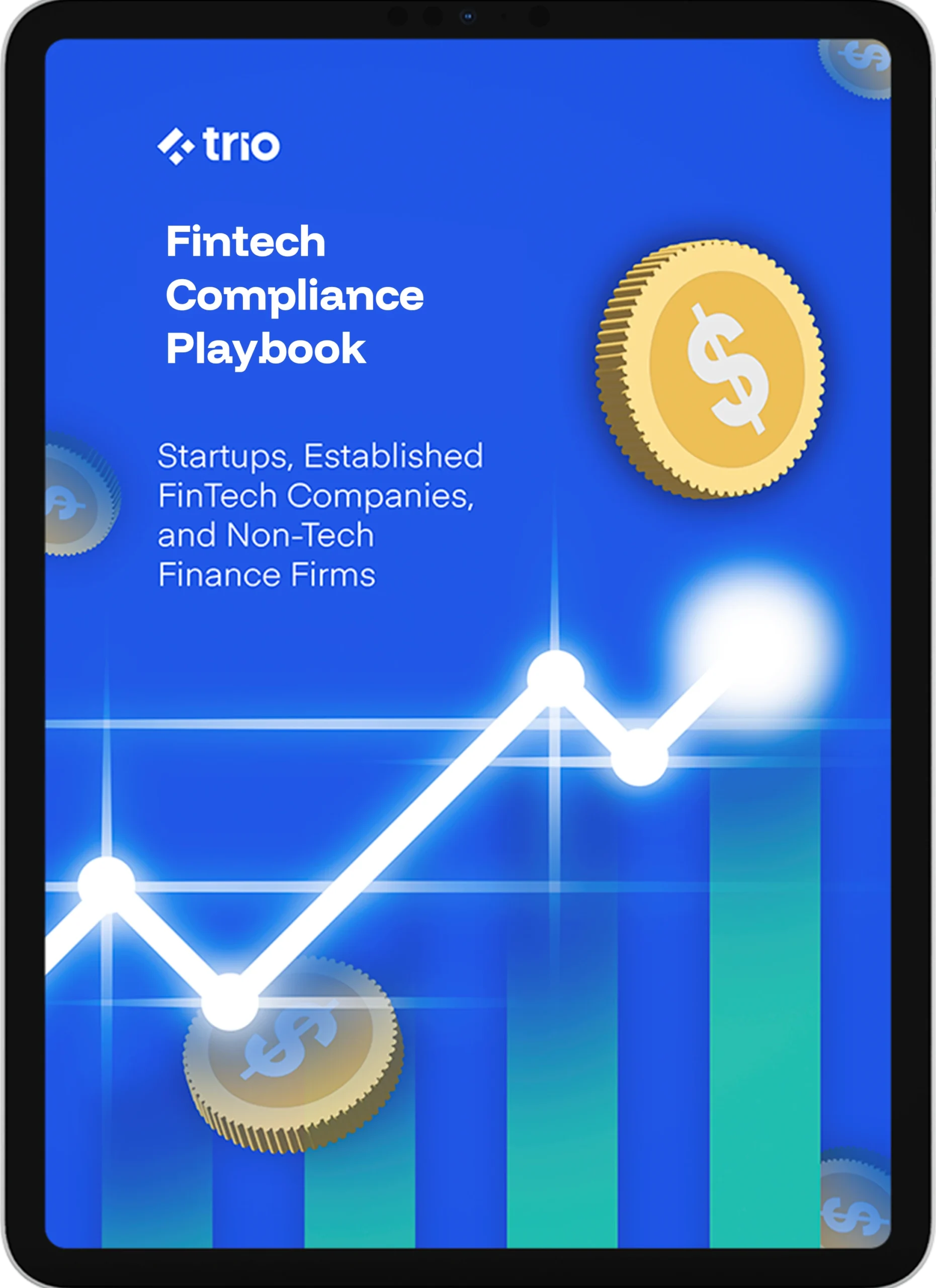
Hire Fintech Developers with Production Experience

Bring senior FinTech engineers into your team.
95%
developer retention rate
40+
product teams scaled across the U.S. & LATAM
5–10
days from request to kickoff
Trusted by FinTech innovators across the U.S. and LATAM







Our Talent





Hire by Expertise
Services
Hire by Location
Customer-facing FinTech Applications
- Web and mobile app platforms for banking, payments, lending, and wealth products
- Secure onboarding and identity-driven user flows with KYC integrations (Persona, Alloy, Onfido)
- Biometric authentication and permission-based access patterns
- Modular, maintainable front-end architectures
Back-end services and APIs
- Secure APIs and microservices for financial systems
- Payment processing, transaction orchestration, idempotency handling, and data pipelines
- Webhook reliability, retry logic, and failure recovery patterns
- Real-time ledger systems and audit-ready data models
Real-time and Data-intensive systems
- Real-time financial data processing and high-throughput transaction handling
- Event-driven architectures using Kafka, Postgres, and Redis
- AI-assisted fraud detection and risk scoring pipelines
- Engineers trusted to ship and support mission-critical infrastructure


Case Studies
Results that Drive Growth for Fintech
FinTech founders and CTOs work with Trio’s engineers for one reason: confidence.

Seamless Scaling
Trio matched Cosomos with skilled engineers who seamlessly integrated into the project.

Expanding Talent Pool
Our access to the global talent pool ensured that Poloniex’s development needs were met.


Why Trio
Senior Engineers Only
Low churn, high continuity

Timezone-aligned collaboration
FinTech-Native Experience
- Time to find a developer
- Recruiting Fee
- Quality Guarantee
- Failure Rate
- Pre-Screened Candidates
- Deep Technical Validation
- Termination Costs

Internal Hiring
- 4–16 weeks
- 15%–40%
- Low
- Very high
Marketplace
- 4–16 weeks
- None
- High
- High




Trio engineers are highly skilled at their jobs, and fully vetted by the Trio team BEFORE their resumes got to my desk. Being able to see a video of a Trio engineer walking me, in English, through the sample project he developed for Trio was a real game-changer.
Mike Sachleben
VP, Engineering – Shift Media
When I started my new job last year, I specifically requested Trio and we have built up two teams of Trio developers. They are intelligent, ethical, hard-working, efficient, produce quality work and so kind and fun to work with. I can’t say enough good things about them… You can’t go wrong with Trio!
Marcie Fortun
Senior Project Manager, Studylog Systems
Trio was incredibly effective in determining our project’s needs and solving them with the right team. The engineering team had the exact expertise we needed, and provided proactive communication during development. The overall experience was clear and reliable.
Jashan Puniya
Founder & CEO, Spoilerproof
How we work together
Step 1


Step 2


Step 3


Step 4


Step 5


Talk to a specialist
Contents
Share this article
Curated by

Expertise
- JavaScript
- NGX
- HTML
- Node.js
- Vue.js
Hire FinTech Software Developers Who Can Ship With Confidence
Hiring a fintech software developer can be genuinely difficult, since you’re not just looking for someone who writes clean code, but someone who understands financial systems, edge cases, regulatory pressure, and the real cost of mistakes.
A generalist usually isn’t the right call here. Even a small oversight in a payment flow, a missed idempotency key, or a logging practice that exposes PII can turn into a compliance finding or a customer trust problem fast, and those two outcomes tend to compound each other.
Teams we’ve worked with often struggle because the hiring cycle for something this specific drags on.
The focus at Trio is on experienced software engineers and programmers who’ve already built and maintained real financial products in production, not developers who need to learn what reconciliation means after they’ve joined.
Our developers have worked on live payment systems, lending platforms, and financial data flows where reliability and auditability were never optional, and they already understand the industry’s nuances by the time they join your team.
Key Takeaways
- Hiring generalists for fintech work and training them on the job usually costs more in the long run than hiring someone who’s already built financial systems, since the mistakes a generalist makes in a regulated environment tend to create technical debt that’s expensive to unwind later.
- In-house fintech hiring in the US typically takes 60-90 days for standard roles and can stretch to six months for specialized payments or compliance experience, with no guarantee of fit once someone actually starts.
- Trio’s fintech engineers, programmers, and app developers run $40-90/hr through staff augmentation, generally 40-60% below the fully-loaded cost of an equivalent US-based senior hire, which is in the $120,000-$150,000 average range and higher for specialized compliance or payments roles.
- Vetting for fintech work needs to cover technical depth, domain experience in regulated environments, and communication quality together.
- Whether you need one dedicated fintech developer or a full remote team, the model that tends to hold up is one where the engineer already understands the domain.
Why Hiring FinTech Developers Requires a Different Approach
Software development in fintech carries a different level of responsibility than most other engineering domains, since the systems being built handle money, personal data, and sensitive workflows all at once.
Where a mistake in a more generalist industry might create a UX headache, the same kind of mistake in a financial application can trigger reconciliation discrepancies, a compliance finding, or a regulatory disclosure obligation.
Preventing that means a fintech developer needs to spend real time thinking through edge cases and failure scenarios before they ever ship.
Hiring a generalist and training them on the job can eat an exceptional amount of time and resources, and it still leaves room for something to go wrong along the way.
Hiring an experienced fintech developer, engineer, or programmer shortens that gap considerably, since these are people who’ve already seen what breaks in production and what regulators actually look at when something does.
Hiring In-House vs Hiring Dedicated FinTech Developers Through Trio
You can hire developers the conventional way, but Trio is a genuine alternative worth weighing against it.
Hiring in-house makes sense for long-term core roles where institutional knowledge compounds over the years.
It also tends to cost more, since a senior fintech role filled in the US carries a real premium, and you’ll need to find, vet, and onboard the person yourself.
On the lower end, that typically takes 60-90 days, sometimes stretching to six months for specialized compliance or payments experience, and even after that wait, there’s no guarantee of fit once the developer actually starts.
Hiring dedicated fintech developers through Trio works differently.
Fintech-focused experts on our side pre-vet developers, engineers, and programmers for domain knowledge, then hand-pick candidates based on your specific requirements, which meaningfully raises the odds of a good fit from the start.
You keep control of architecture, priorities, and delivery decisions throughout, while the developers work as though they’re already part of your team.
Trio’s engineers work primarily from Brazil and across Latin America, generally at $40-90/hr and roughly 40-60% below the total cost of an equivalent US-based hire, without the timezone friction that offshore models further east tend to introduce.
This model tends to work best when the software development work is ongoing or still evolving, and requirements will keep shifting as the product grows.
Related Reading: The Fastest Way to Hire Engineers for Fintech
What Seniority Level to Look For When Hiring FinTech Developers
Hiring junior developers to cut costs and then absorbing the management overhead that follows frequently ends up costing more than the savings ever justified.
In fintech specifically, the risk goes beyond wasted time.
Mistakes made by less experienced developers in a regulated environment can create technical debt that’s expensive to unwind later.
Trio focuses on experienced software developers and engineers who operate with genuine autonomy, people with the frame of reference to make sound decisions, communicate trade-offs proactively, and take ownership of outcomes rather than waiting to be told what to do.
Types of FinTech Developers You Can Hire Through Trio
Through Trio, you can hire software developers, engineers, and programmers across a range of roles depending on what your product actually needs.
Some teams need a senior backend developer to stabilize APIs, data pipelines, or ledger logic.
Others need full-stack developers who move comfortably across both frontend and backend work, particularly useful for fintech products where the user experience and the underlying transaction logic need to evolve together.
Mobile and app developers, DevOps and cloud engineers, and specialists in AI-assisted fraud detection and risk scoring also come up regularly in fintech engineering requests.
Regardless of what you need, developers are hand-picked for production experience that lines up with your requirements. And if a placement isn’t working out, we take that feedback and provide a replacement without you needing to restart the hiring process from scratch.
Related Reading: Product Engineer vs Software Engineer: Core Differences Explained
How FinTech Developers Are Vetted at Trio
Vetting a developer for fintech work is a genuinely extensive process, since it means assessing technical skill alongside a handful of other factors that don’t show up on a resume.
The problems that surface in regulated production environments rarely show up in a generic algorithmic assessment, which is part of why fintech expertise needs to be vetted by people who actually have it. Trio’s vetting covers three dimensions:
- Technical depth through domain-specific screening: How a developer approaches idempotency in a payment flow, how they structure audit-ready data models, and how they reason through failure recovery in financial APIs.
- English proficiency through structured review: Communication quality in a remote fintech environment shapes how quickly risks get surfaced and decisions get made.
- Domain experience in regulated environments: Familiarity with PCI DSS, SOC 2-aligned workflows, and KYC/AML constraints doesn’t come automatically with general software experience, even strong general experience.
We provide the portfolios. You run the final interview and approve developers before they join your team.
Working With Remote FinTech Developers Day to Day
Trio’s engineers work primarily across Latin America, which means working hours overlap with US time zones for most of the working day. That overlap lets planning sessions, code reviews, and architectural discussions happen in real time rather than across a delay.
Our developers have also worked with international firms before, so they already understand how that kind of collaboration needs to run, which tends to make things move more smoothly than working with less experienced talent unfamiliar with distributed teams.
We also stay involved throughout the engagement to support delivery, track performance, and catch issues before they compound into something bigger.
Code Ownership, Security Practices, and Compliance in FinTech Developer Engagements
When you hire fintech developers through Trio, you retain full and unconditional ownership of your code and intellectual property from day one.
That ownership is written into every agreement, which matters for fintech companies subject to compliance review, since it lets you demonstrate to regulators that you have full control over your codebase and data systems.
NDAs cover confidentiality before any codebase access is granted, and access controls follow least-privilege from the start.
On top of that, you’re likely operating under PCI DSS, SOC 2, or GLBA requirements, and we make sure those constraints get communicated during onboarding and respected throughout the engagement.
When an engagement ends, offboarding follows a plan established at the outset, covering access revocation, knowledge transfer, and documentation of any ongoing responsibilities.
Getting Started: How to Hire FinTech Developers Through Trio
The most useful starting point is a short description of your product, the systems involved, where delivery pressure sits highest, and any compliance or timing constraints shaping the search.
Every arrangement starts with a complimentary consultation to make sure we actually understand what you need. After that first call, expect a candidate shortlist within 48-72 hours, which is usually enough to figure out the best path forward.
To get started, book a discovery call.
Frequently Asked Questions
Yes, Trio places fintech app developers with mobile-specific experience in banking, payments, and wealth products, alongside the backend and full-stack engineers needed to support them.
FinTech developers work on payment systems, lending platforms, banking applications, financial data tools, and digital transformation initiatives across web and mobile products.
Hiring FinTech developers is often better than outsourcing when requirements change frequently or when the software is core to your business.
If a FinTech developer isn’t a good fit, they can be replaced quickly to keep your software development project moving, without restarting the search from scratch.
When you hire FinTech developers through Trio, you retain full ownership of the code and intellectual property created during the engagement, specified in every agreement from day one.
FinTech developers, engineers, and programmers through Trio typically run $40-90/hr depending on role and seniority, generally 40-60% below the cost of an equivalent US-based hire, which current market data puts around $120,000-$150,000 annually on average.
FinTech developers often work remotely and integrate with your team using shared tools, regular communication, and planned timezone overlap rather than working in isolation.
No, FinTech developers at Trio aren’t freelancers picking up isolated tasks. They’re dedicated software developers, engineers, and programmers who work as part of your team for full engagement.
You can hire one FinTech developer, engineer, or app developer, or build a full remote development team, depending on your project needs and timeline.
You can typically get a shortlist of FinTech software developers within 48 to 72 hours, with onboarding usually completed in three to five days after that.
Hiring FinTech developers differs from general software hiring because these engineers are already used to regulated environments and understand the real risks of working with money, personal data, and compliance requirements.
Hiring FinTech developers means working with software developers, engineers, or programmers who have real experience building financial systems like payments, lending, and banking applications, where security and accuracy aren’t optional.


Schedule a Call
Let’s Build Tomorrow’s FinTech, Today.
Whether you’re scaling your platform or launching something new, we’ll help you move fast, and build right.